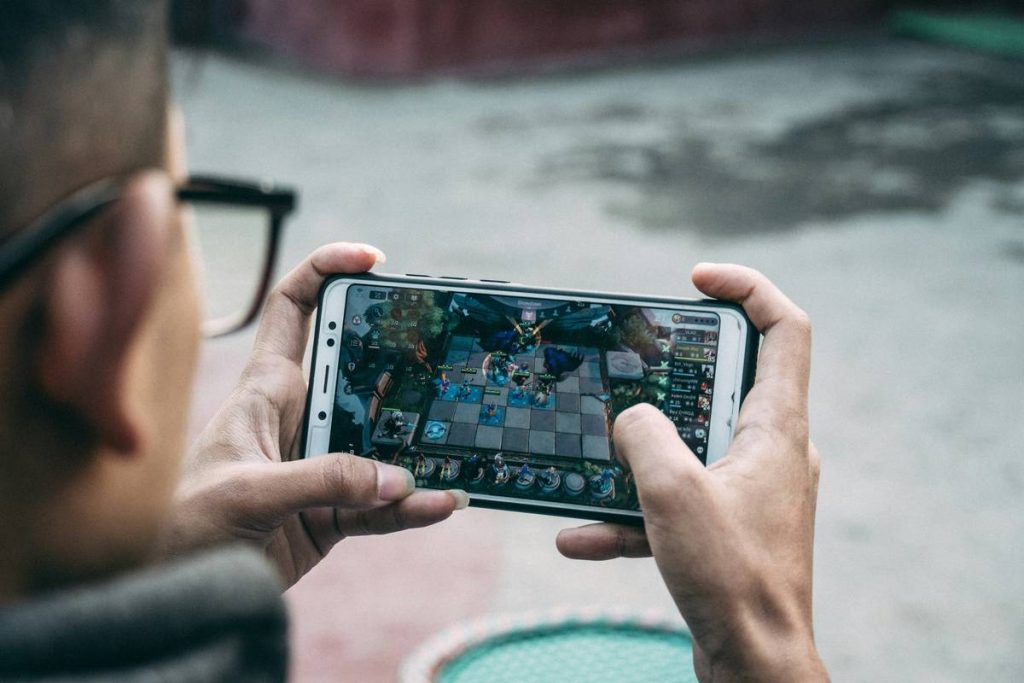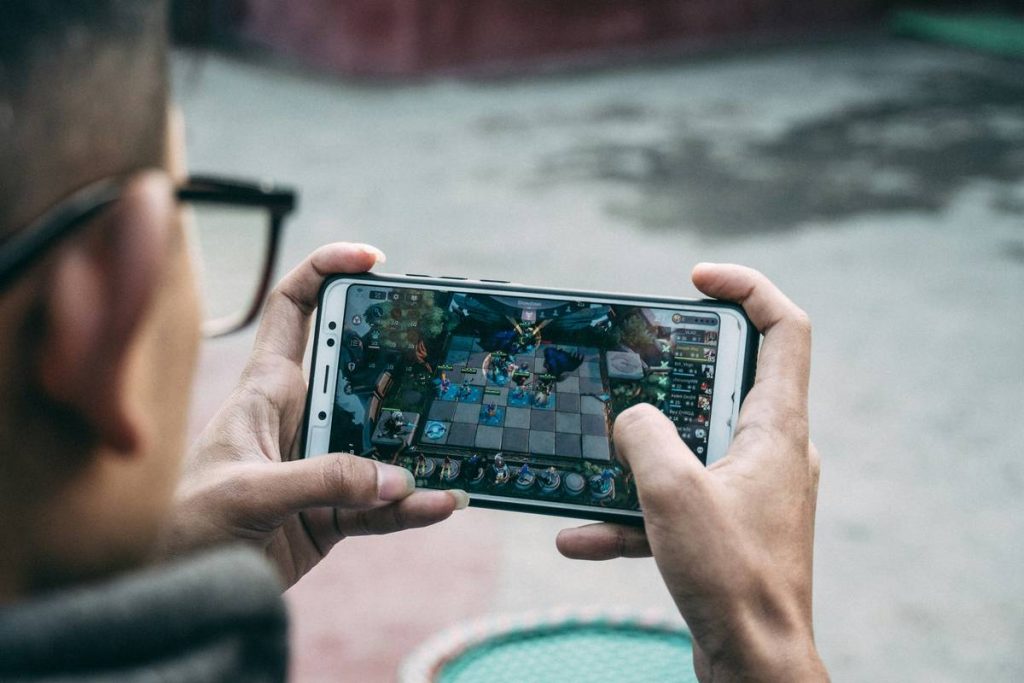
If you’ve ever tapped through a match-three puzzle while waiting for coffee or swiped left on flying birds during your commute, you’ve played casual games. But what are casual games, really? They’re not just time-fillers—they’re a $25+ billion segment of the mobile gaming industry (according to Newzoo’s 2023 report), designed for accessibility, low commitment, and instant gratification. Yet many players—and even developers—mistake them for “simple” experiences, leading to frustration, wasted time, or poor game choices.
In this guide, we’ll unpack the true definition of casual mobile games, share hard-won lessons from real gameplay blunders, and give you actionable strategies to enjoy them without falling into common traps. Whether you’re new to relaxing games or a seasoned tap-tapper, these insights will help you play smarter—not longer.
Table of Contents
- Why “What Are Casual Games” Matters in Mobile Gaming
- How to Identify & Choose Quality Casual Games
- Best Practices for Stress-Free Casual Gaming
- Real Examples That Prove These Principles Work
- Frequently Asked Questions
Key Takeaways
- Casual games prioritize ease of play, short sessions, and intuitive mechanics over complexity.
- Not all free-to-play casual games are created equal—watch for aggressive monetization.
- You can enjoy casual mobile games without falling into addictive loops or spending unexpectedly.
- The best relaxing games enhance downtime, not drain your attention or wallet.
Why “What Are Casual Games” Matters in Mobile Gaming
Confusion around what are casual games leads people to download titles that feel anything but relaxing. I learned this the hard way. Last year, I installed a “zen puzzle game” that started with soothing music and soft colors—perfect for winding down after work. But by level 12, it demanded I either wait 45 minutes for a move timer to reset or pay $2.99. What began as stress relief became a source of irritation.
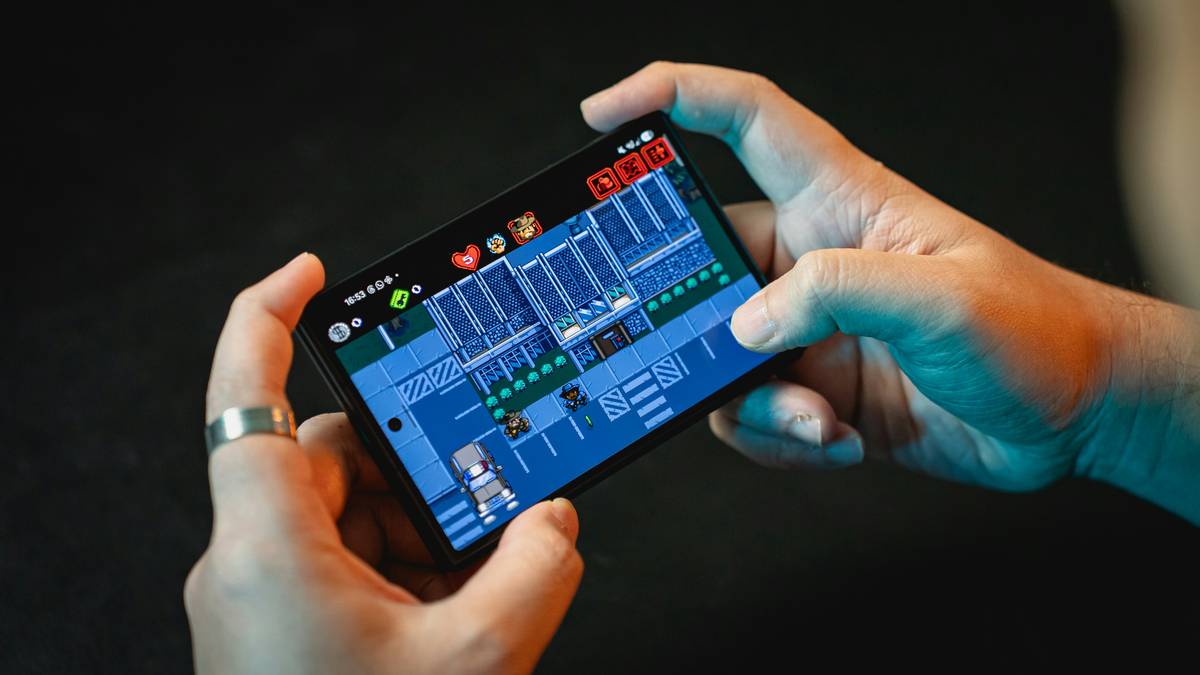
This isn’t uncommon. Many so-called “casual” games blend elements of hyper-casual design with predatory monetization tactics borrowed from hardcore genres. True casual mobile games should offer:
- Immediate playability (no tutorials longer than 30 seconds)
- No mandatory social features or team commitments
- Optional progression—not forced grinding
How to Identify & Choose Quality Casual Games
Check the Onboarding Experience
Launch the game. If you’re still watching cutscenes or completing mandatory challenges after 60 seconds, it’s likely not truly casual. Real casual games let you play within moments.
Review Monetization Transparency
Scroll to the store page’s “In-App Purchases” section. If it lists vague items like “Premium Bundle” or “Energy Pack,” tread carefully. Better titles clearly state what you’re buying—e.g., “Remove Ads” or “Unlock All Levels.”
Evaluate Session Flexibility
A genuine casual game lets you pause and quit instantly without penalty. If quitting mid-level means losing progress, it’s violating the core promise of casual design.
Best Practices for Stress-Free Casual Gaming
- Set a 10-minute timer. Casual games thrive in short bursts. Use your phone’s screen time feature to auto-lock after 10 minutes.
- Disable notifications. These games often send push alerts to lure you back. Turn them off in settings to maintain control.
- Prefer ad-supported over paywalled. A game with optional rewarded videos is usually more respectful than one blocking progress behind paywalls.
- Avoid syncing to social accounts. You don’t need Facebook permissions to match candies. Skip unnecessary logins to protect your privacy (see our Privacy Policy for why this matters).
Real Examples That Prove These Principles Work
Consider *Alto’s Adventure*—a serene snowboarding game where you glide through minimalist landscapes. It has no timers, no in-app purchases beyond a one-time unlock, and sessions last as long or short as you like. Players report reduced anxiety, per a 2022 study cited by the National Institutes of Health on digital relaxation tools.
Contrast this with a popular match-three title that hides its energy system until level 8. User reviews on the App Store show a sharp drop in ratings starting at that point—proof that misleading design erodes trust. Stick to games that respect your time from minute one.
Frequently Asked Questions
Are casual games only for beginners?
No. While they’re beginner-friendly, many casual games include depth through optional challenges or creative modes. The key is choice—you engage as much or as little as you want.
Can casual mobile games be addictive?
Poorly designed ones can leverage psychological triggers (like variable rewards) similar to slot machines. Choose games that lack countdown timers, daily login streaks, or scarcity tactics.
What’s the difference between casual and hyper-casual games?
Hyper-casual games (like *Flappy Bird*) have near-zero learning curves and single-mechanic gameplay. Casual games may include light strategy or progression—think *Stumble Guys* or *Homescapes*—but still emphasize accessibility.
Do I need an internet connection to play casual games?
Many work offline, especially puzzle or endless runner types. Always check the app description. If it requires constant connectivity, it may be tracking usage or pushing cloud saves unnecessarily.
Is “what are casual games” the same as “relaxing games”?
Most relaxing games fall under the casual umbrella, but not all casual games are relaxing. Some include mild competition or time pressure. Look for keywords like “meditative,” “no rush,” or “calm” in descriptions.
Where can I learn more about ethical game design?
Explore our About Us page to see how we evaluate mobile experiences. For deeper research, refer to academic resources like the IEEE Transactions on Games.
Understanding what are casual games isn’t about labeling—it’s about reclaiming your leisure time with intention. Play to refresh, not reflex. And if you’ve found a hidden gem that truly fits the relaxing ideal, tell us about it. We’re always hunting for guilt-free joy in the app store jungle.
Tap lightly. Breathe deeply. Game kindly.