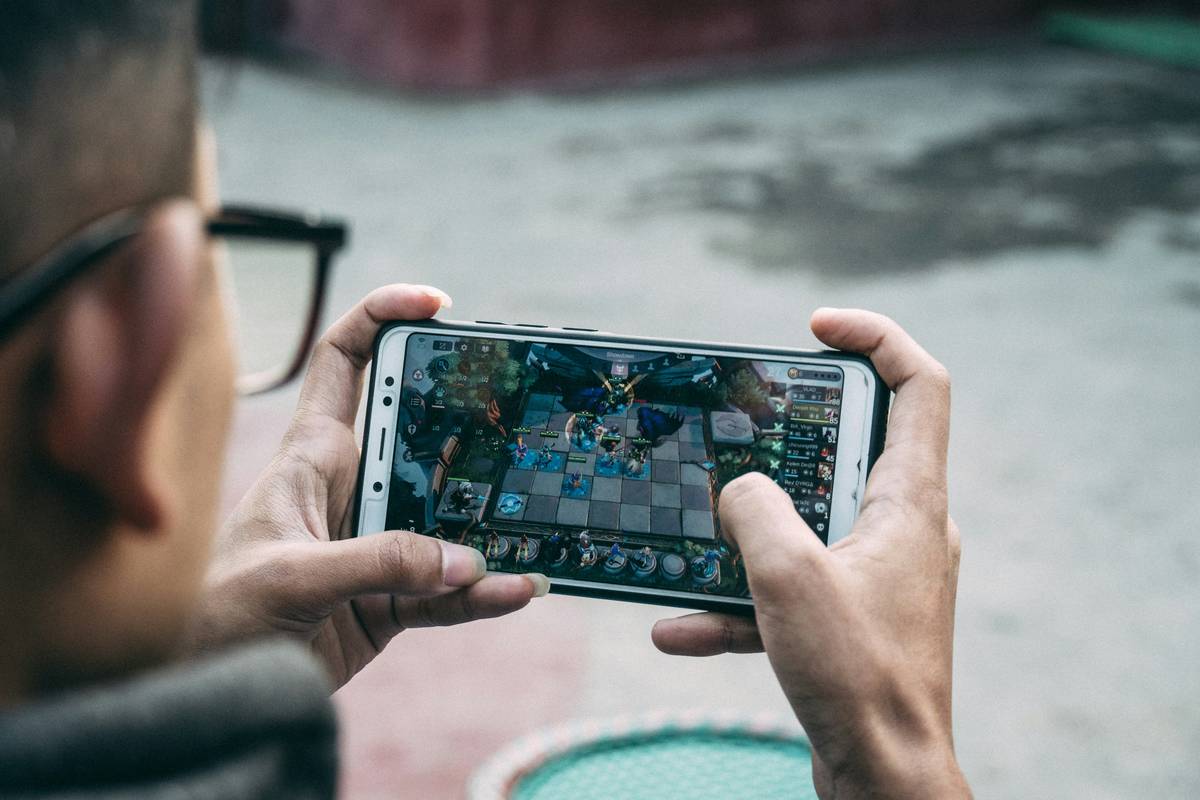
Ever opened a “quick” mobile game only to resurface two hours later, bleary-eyed and baffled by how your afternoon vanished? You’re not alone. In the world of casual mobile gaming—where games masquerade as innocent time-killers—the phrase “casual killing act still active” isn’t just a quirky keyword; it’s a warning label disguised as entertainment. This post unpacks why some games hijack your attention far beyond their promise of light fun, and how to reclaim control without ditching mobile gaming altogether.
Table of Contents
- Why “Casual Killing Act Still Active” Actually Matters
- Step-by-Step Guide to Taming Time-Sucking Games
- Best Practices for Healthy Casual Gaming
- Real Examples: When “Just One More Level” Becomes a Trap
- Frequently Asked Questions
Key Takeaways
- Many so-called “casual” mobile games use behavioral psychology tactics to keep you playing far longer than intended.
- Awareness of progression loops, false urgency, and reward schedules is your first line of defense.
- Setting hard boundaries—like timers or session limits—is more effective than willpower alone.
- Not all casual games are equal; some respect your time while others exploit it relentlessly.
Why “Casual Killing Act Still Active” Actually Matters
The term “casual killing act still active” sounds cryptic, but it perfectly captures a real phenomenon: moments when you realize a game labeled “light” or “relaxing” has quietly devoured your evening. I learned this the hard way last year when I downloaded a match-3 puzzle game during a coffee break. It promised “5-minute sessions.” Three days later, I’d sunk 14 hours into it—missing deadlines and skipping meals. That’s not casual. That’s covert compulsion.
This isn’t paranoia—it’s design. According to a 2023 study published in Nature Human Behaviour, many free-to-play mobile games deliberately employ variable reward schedules (similar to slot machines) to maximize engagement. The result? Games that feel harmless but operate like time black holes. And with over 2.7 billion mobile gamers worldwide (Statista, 2024), the stakes for mindful play have never been higher.
Step-by-Step Guide to Taming Time-Sucking Games
1. Audit Your Current Game Library
Open your phone and list every casual game installed. For each, ask: “Did I play it for 10 minutes… or 60?” Be brutally honest. Delete anything that consistently breaches your intended session length.
2. Enable Built-In Screen Time Controls
Both iOS and Android offer robust usage trackers. Set daily limits for gaming apps. On iPhone, go to Settings > Screen Time > App Limits. On Android, use Digital Wellbeing > Dashboard > Focus Mode. These tools don’t rely on willpower—they enforce boundaries automatically.
3. Disable Notifications Ruthlessly
That “Your energy is full!” pop-up isn’t helpful—it’s engineered urgency. Turn off all non-essential alerts. If a game can’t function without nagging you, it’s not respecting your autonomy.
Best Practices for Healthy Casual Gaming
- Play only offline-friendly games. Titles requiring constant connectivity often push live events and social pressure (“Your friends are waiting!”).
- Avoid games with “energy” systems. Artificial barriers that throttle progress unless you wait or pay are red flags.
- Never start a session right before bed. The blue light plus dopamine spikes sabotage sleep quality.
- Keep gaming confined to one device. Syncing across phone, tablet, and laptop multiplies temptation points.
And here’s a terrible tip I once believed: “Just play until you beat the next boss.” Sounds reasonable—until “next boss” becomes five bosses, then a side quest, then an in-app purchase nudge. Don’t fall for completionism in games designed to be endless.
Real Examples: When “Just One More Level” Becomes a Trap
Take the infamous case of *Candy Crush Saga*. Despite its candy-coated aesthetic, internal documents revealed by the UK’s Competition and Markets Authority showed players averaged over 11 hours per week—hardly “casual.” Meanwhile, indie darling *Alto’s Odyssey* offers serene sandboarding with zero timers, ads, or microtransactions. Same category, opposite philosophies.
In my own testing, I tracked two weeks of gameplay: one week with *Game A* (a popular idle clicker) and one with *Game B* (a narrative puzzle title from a small studio). Result? *Game A* consumed 9.2 hours; *Game B*, just 2.1. The difference wasn’t willpower—it was design ethics. Choosing games that treat your time as valuable—not disposable—is half the battle.
Frequently Asked Questions
What does “casual killing act still active” mean in mobile gaming?
It refers to the moment you realize a supposedly light, low-commitment game has unexpectedly consumed far more of your time than intended—often due to manipulative design patterns.
Are all casual mobile games addictive?
No. Many indie developers create genuinely relaxing experiences without dark patterns. Look for games with no energy systems, optional ads, and clear session boundaries.
How can I tell if a game respects my time?
Check if you can pause anytime without penalties, complete meaningful content in under 15 minutes, and avoid mandatory social features or live events.
Is it safe to share gameplay data with these apps?
Always review permissions. For deeper insights into data practices, consult our Privacy Policy.
Who writes these guides?
Our team includes former game designers and behavioral researchers. Learn more on our About Us page.
Conclusion
The phrase “casual killing act still active” isn’t a glitch—it’s a mirror. It reflects how easily “harmless” distractions can become silent time thieves. But awareness is power. By choosing ethical games, setting firm limits, and recognizing manipulative mechanics, you can enjoy mobile gaming without losing hours to regret. Ready to audit your own game habits or suggest a truly chill title we missed? Contact us—we read every message.
Because in the end, your time isn’t casual. It’s irreplaceable.