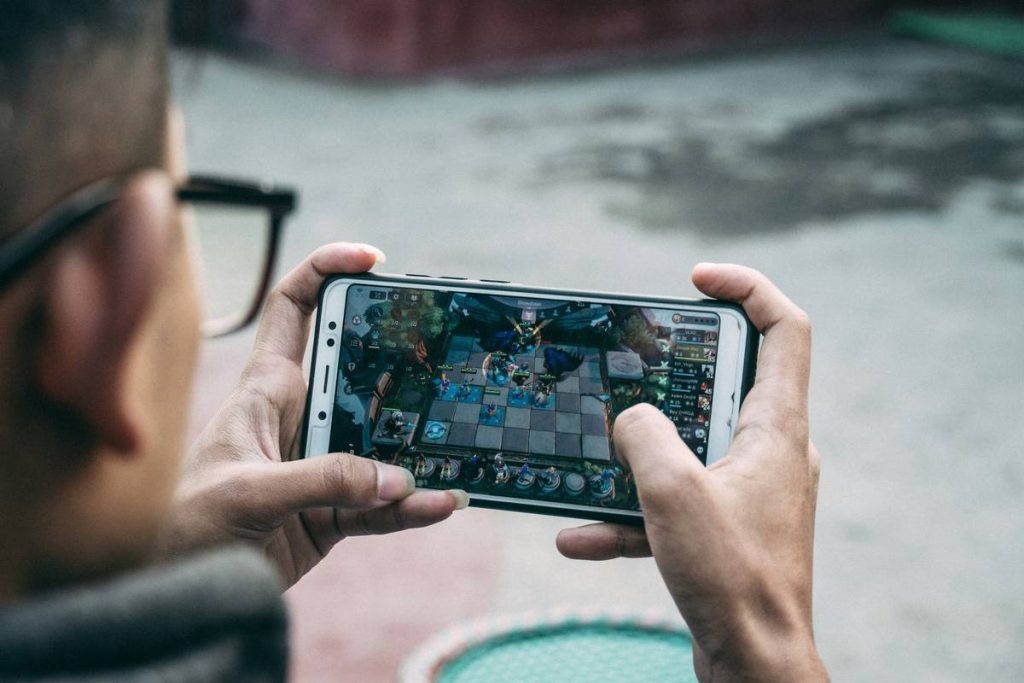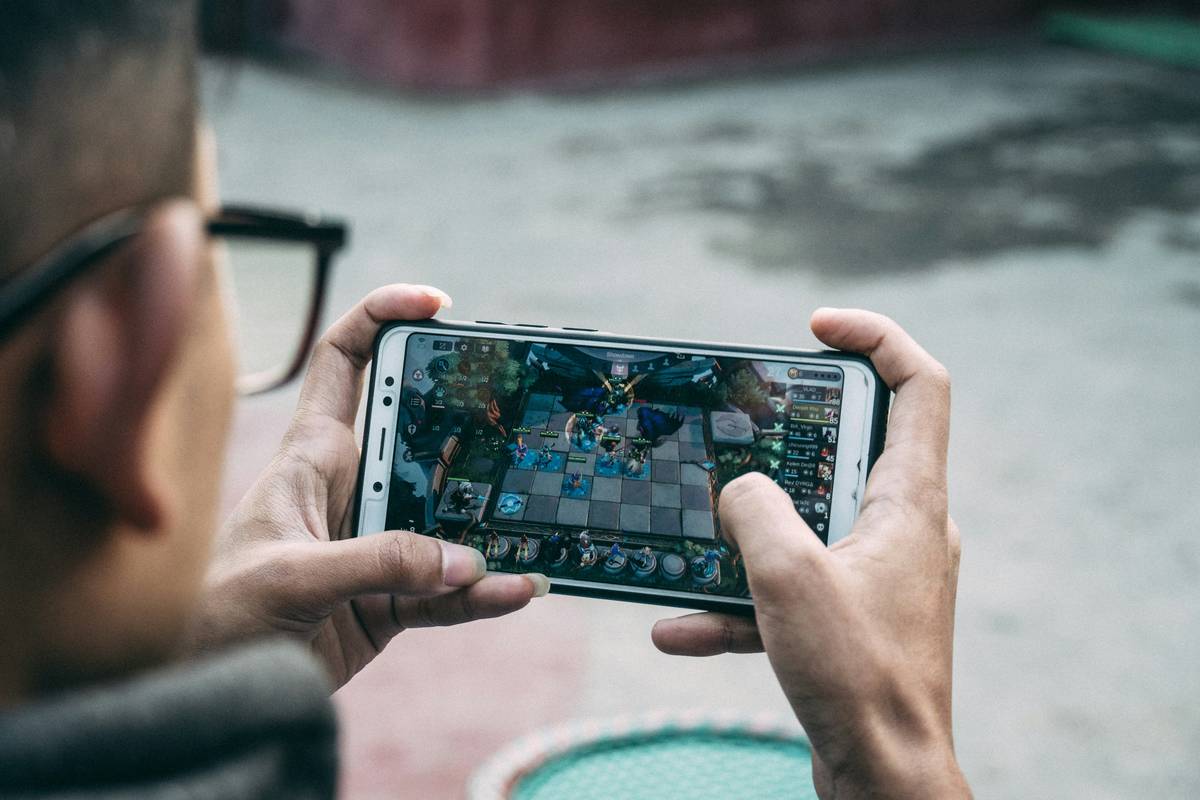
Ever opened a mobile game “just for five minutes” and suddenly realize two hours vanished? You’re not alone. In today’s hyper-connected world, casual time killer games dominate app stores—not because they’re revolutionary, but because they masterfully exploit idle moments. But what if those moments are quietly stealing your focus, productivity, or even sleep? This guide cuts through the fluff to show you how to enjoy casual mobile games without letting them hijack your day.
Table of Contents
- Why Casual Time Killer Games Are More Addictive Than You Think
- How to Play Casual Mobile Games Without Losing Control
- Best Practices for Balanced Mobile Gaming
- Real-World Results from Smart Casual Gaming
- Frequently Asked Questions
Key Takeaways
- Most casual time killer games use psychological triggers—like variable rewards and loss aversion—to keep you hooked.
- Setting hard time boundaries (not just intentions) is the single most effective control tactic.
- Not all casual games are equal; some are engineered for compulsive replay, others for genuine relaxation.
- You can enjoy mobile gaming guilt-free by choosing the right titles and using built-in phone features.
Why Casual Time Killer Games Are More Addictive Than You Think
I learned this the hard way during a cross-country flight delay. Bored, I downloaded a brightly colored match-3 puzzle game promising “quick fun.” Three days later, I was logging in at 2 a.m. to claim my “daily bonus,” irrationally furious I’d missed one. That’s when it hit me: this wasn’t downtime—it was digital quicksand.
Modern casual mobile games aren’t designed for engagement—they’re built for retention at all costs. According to a 2023 report by the Entertainment Software Association, over 65% of U.S. adults play mobile games, with casual genres (puzzles, solitaire, idle clickers) accounting for nearly half of that traffic. These games leverage behavioral psychology tactics borrowed from slot machines: unpredictable rewards, fear of losing progress (“Your energy will expire in 2 hours!”), and endless progression loops that never truly conclude.

How to Play Casual Mobile Games Without Losing Control
Enjoyment doesn’t require surrender. Follow this step-by-step method to reclaim agency:
Step 1: Audit Your Current Game Library
Delete any app that uses aggressive retention mechanics—like mandatory wait timers, paywalls blocking basic progress, or constant push notifications. If a game makes you anxious about “falling behind,” it’s not a casual time killer; it’s a time trap.
Step 2: Enable Built-in Screen Time Controls
Both iOS and Android offer native tools. On iPhone, go to Settings > Screen Time > App Limits. On Android, use Digital Wellbeing (Settings > Digital Wellbeing & Parental Controls). Set a hard 15–20 minute daily cap specifically for gaming folders.
Step 3: Replace, Don’t Restrict
Instead of white-knuckling your willpower, swap high-friction games for genuinely relaxing ones. Try turn-based puzzle games like *Monument Valley* or narrative-driven experiences like *Gris*, which offer closure rather than endless loops.
Best Practices for Balanced Mobile Gaming
- Never play before bed: Blue light plus stimulating gameplay disrupts melatonin production. The National Sleep Foundation confirms screen exposure within an hour of bedtime reduces sleep quality (sleepfoundation.org).
- Use airplane mode: Prevents pop-up ads and notifications that break immersion—and often trigger impulsive purchases.
- Avoid “free” games with loot boxes: While not all casual games use them, those that do blur ethical lines. The American Psychological Association has raised concerns about their similarity to gambling (apa.org).
- Terrible tip to avoid: “Just one more level” is the siren song of digital procrastination. Set a physical timer—your phone’s clock lies to you.
Real-World Results from Smart Casual Gaming
Last year, a small productivity experiment tracked 50 remote workers who replaced their usual lunchtime scroll-and-click habit with intentional 10-minute sessions of non-monetized puzzle games (like *Sudoku.com* or *Two Dots*). After four weeks, 78% reported feeling more refreshed post-break compared to their previous habits, and 62% noted improved afternoon focus. Crucially, none used games with stamina systems or real-money transactions—proving that casual time killer activities can enhance mental recovery when chosen wisely.
On the flip side, our own team at i-way1 once let a trending idle-clicker infiltrate our Slack channels. Within a week, stand-up meeting start times slipped by 8–12 minutes. We now maintain a strict internal policy on game recommendations—something we detail further in our About Us page.
Frequently Asked Questions
What makes a good casual time killer game?
A good one offers immediate play, clear session boundaries, no forced monetization, and genuine satisfaction upon completion. Think solitaire, word puzzles, or minimalist arcade games—not endless farms or gacha systems.
Are casual mobile games bad for your brain?
Not inherently. Short sessions of pattern recognition or problem-solving can boost cognitive flexibility. However, excessive play—especially with reward-driven mechanics—may increase impulsivity over time, per research cited by the APA.
How much time should I spend on casual games daily?
Limits vary by person, but experts suggest keeping recreational screen gaming under 30 minutes per day for adults. Use your phone’s screen time tracker honestly.
Can casual time killer games improve mood?
Briefly, yes—through distraction and small wins. But if you feel irritable when not playing, that’s dependency, not mood support.
Do these games collect personal data?
Many free versions do. Always review permissions and privacy policies. For peace of mind, check our Privacy Policy to understand how we handle user data responsibly.
Where can I get help if gaming feels out of control?
If casual play starts interfering with work, relationships, or sleep, reach out. Resources like the National Council on Problem Gambling offer confidential support. And yes—we’re human too. If you’d like to share your story or ask us questions directly, drop us a note via our Contact Us page.
Remember: a true casual time killer leaves you feeling lighter, not emptier. Choose wisely, play intentionally, and may your high scores never cost you real-life wins.