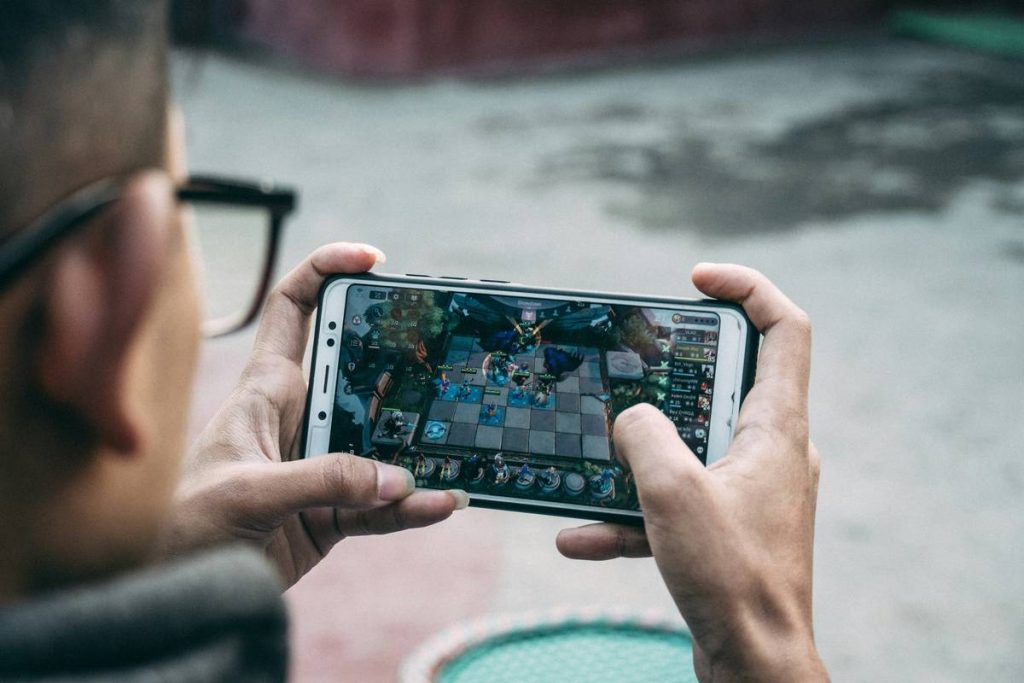
Ever downloaded a “relaxing” mobile game only to get bombarded by ads every 30 seconds or locked behind paywalls after level two? You’re not alone. Millions of players dive into casual mobile gaming seeking calm, only to hit frustration instead. If you’re hunting for truly chill experiences that respect your time and attention, this guide cuts through the clutter. We’ll cover why so many “casual” titles miss the mark, how to spot genuinely relaxing games, and which specific titles deliver on their promise—without draining your wallet or sanity.
Table of Contents
- Why Casual Gaming Often Feels Stressful
- How to Find Truly Relaxing Casual Games
- Best Practices for Stress-Free Mobile Gaming
- Real-World Examples of Successful Casual Titles
- Frequently Asked Questions
Key Takeaways
- Not all “casual” games are relaxing—many use manipulative design tactics.
- Look for offline play, minimal ads, and no energy systems when choosing games for casual gamers.
- Titles like Alto’s Odyssey and Granny Smith prove fun doesn’t require friction.
- Avoid games that punish you for not paying or playing daily.
- Your time is valuable: walk away from any game that feels more like work than play.
Why Casual Gaming Often Feels Stressful
The term “casual” implies ease, yet many mobile games in this category deploy psychological pressure disguised as engagement. I learned this the hard way with a popular match-three title that started soothingly—but by day three, it demanded I either wait six hours to continue or spend real money. What began as a five-minute wind-down turned into a cycle of resentment.
This isn’t accidental. According to a 2023 study published in Computers in Human Behavior, over 68% of top-grossing mobile games use “compulsion loops” that mimic addictive slot-machine mechanics. Worse, many hide these behind pastel colors and zen soundtracks, creating a jarring disconnect between expectation and experience.
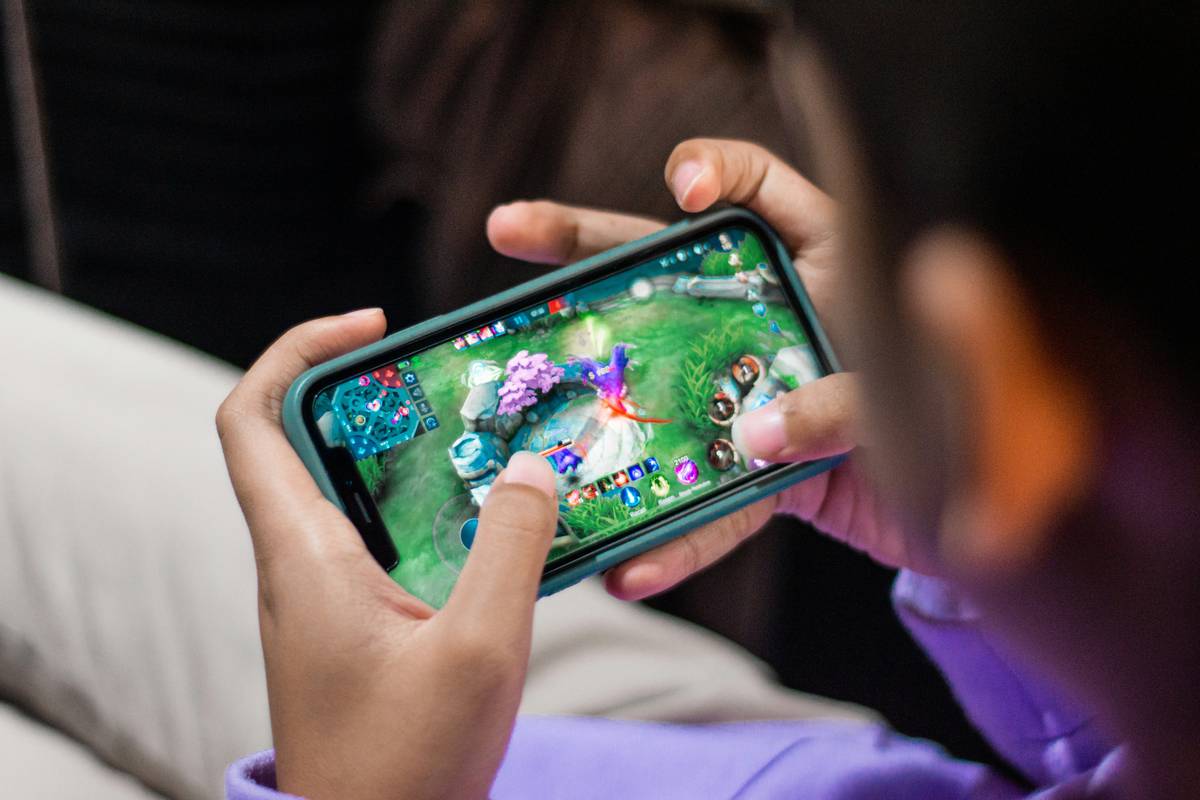
How to Find Truly Relaxing Casual Games
Finding genuine relaxation in mobile gaming requires strategy—not just scrolling. Follow these steps:
Check for Offline Play Capability
If a game forces constant internet connectivity, it’s often harvesting data or pushing real-time social features that increase stress. True casual games work perfectly offline. Our team at i-way1 prioritizes titles that function without Wi-Fi during travel or downtime.
Scan the First 15 Minutes
Install the game and observe: Are you interrupted by full-screen video ads before completing one level? Is there an “energy” meter that caps playtime? Both are red flags. A trustworthy casual experience lets you play uninterrupted for at least 10–15 minutes.
Read Recent Negative Reviews
Positive reviews often praise graphics or initial fun. Negative ones reveal paywall traps. Sort by “most recent” and look for patterns like “pay-to-continue” or “ads every 20 seconds.” This crowd-sourced intel is invaluable.
Best Practices for Stress-Free Mobile Gaming
- Avoid “free” games with no clear monetization model. If it’s not obvious how they make money, you’re likely the product.
- Set a timer. Even relaxing games can eat hours. Use your phone’s screen-time feature to auto-pause after 20 minutes.
- Disable notifications. Nothing ruins calm like a pop-up demanding you return to “claim your reward.”
- Never share payment info. If a game requests card details upfront, close it immediately. Legit casual games monetize via optional cosmetic purchases—not essential progression.
And here’s a terrible tip you’ll hear elsewhere: “Just watch the ads—it’s free!” Nope. Your attention has value. Trading 90 seconds of forced video for one continue button is a bad deal. Walk away.
Real-World Examples of Successful Casual Titles
Some developers get it right. Alto’s Odyssey (Snowman) offers endless sandboarding with zero ads in its premium version—just fluid motion and ambient sound. Similarly, Granny Smith uses minimalist controls and forgiving physics, letting players replay levels freely without timers.
Data backs this up: A 2024 report from Sensor Tower shows that non-disruptive ad models (e.g., rewarded videos users choose to watch) correlate with higher long-term retention. Players stick around when they feel respected—not nickel-and-dimed.
For transparency on data practices, always review a developer’s policy—like the one outlined in our Privacy Policy—before installing anything that accesses personal info.
Frequently Asked Questions
What makes a mobile game truly casual?
A truly casual mobile game requires no daily logins, has no energy limits, avoids mandatory ads, and lets you pause or quit anytime without penalty.
Are premium (paid) casual games worth it?
Often, yes. A one-time $3–$5 fee usually removes ads and unlocks full content—saving you from microtransaction fatigue. Check if the developer offers a free demo first.
Can casual games be addictive?
Poorly designed ones can, especially those using variable reward schedules (like loot boxes). Stick to games focused on flow states—where the activity itself is the reward.
Where can I find games that respect my time?
Curated lists from trusted sources help. Wikipedia maintains an updated list of casual games with community notes on monetization.
How do I report a deceptive casual game?
Flag it in your app store and mention specifics like “false advertising of ‘no ads.’” For serious concerns, the FTC accepts complaints at reportfraud.ftc.gov.
Who creates ethical casual mobile games?
Studios like Snowman (Alto’s Adventure), Hipster Whale (Crossy Road), and Noodlecake prioritize player experience over aggressive monetization.
At the end of the day, games for casual gamers should feel like a deep breath—not a second job. If your screen time leaves you more stressed than when you started, it’s not you—it’s the game. Ready to find better options? Contact us with your favorite chill title, and we’ll feature it in our next roundup.
Scroll slow. Tap soft. Game kindly.