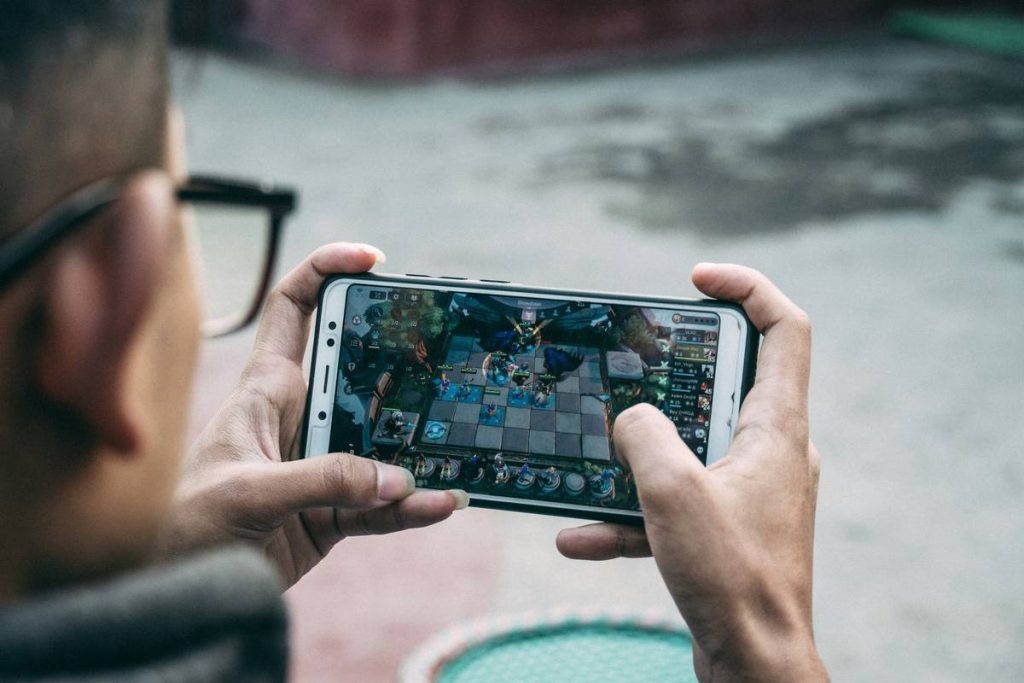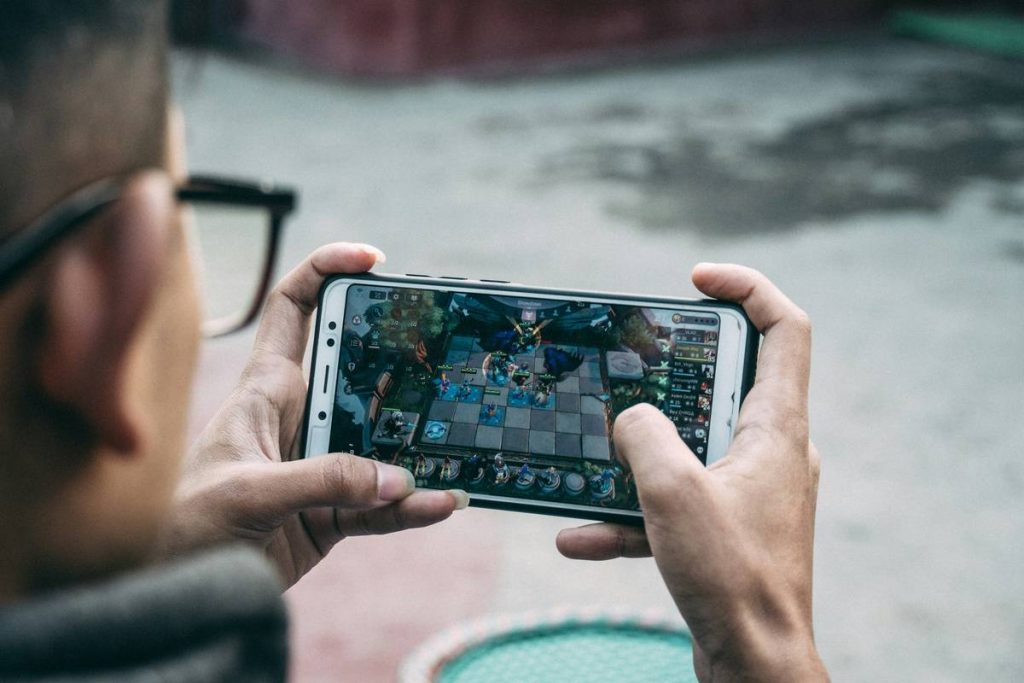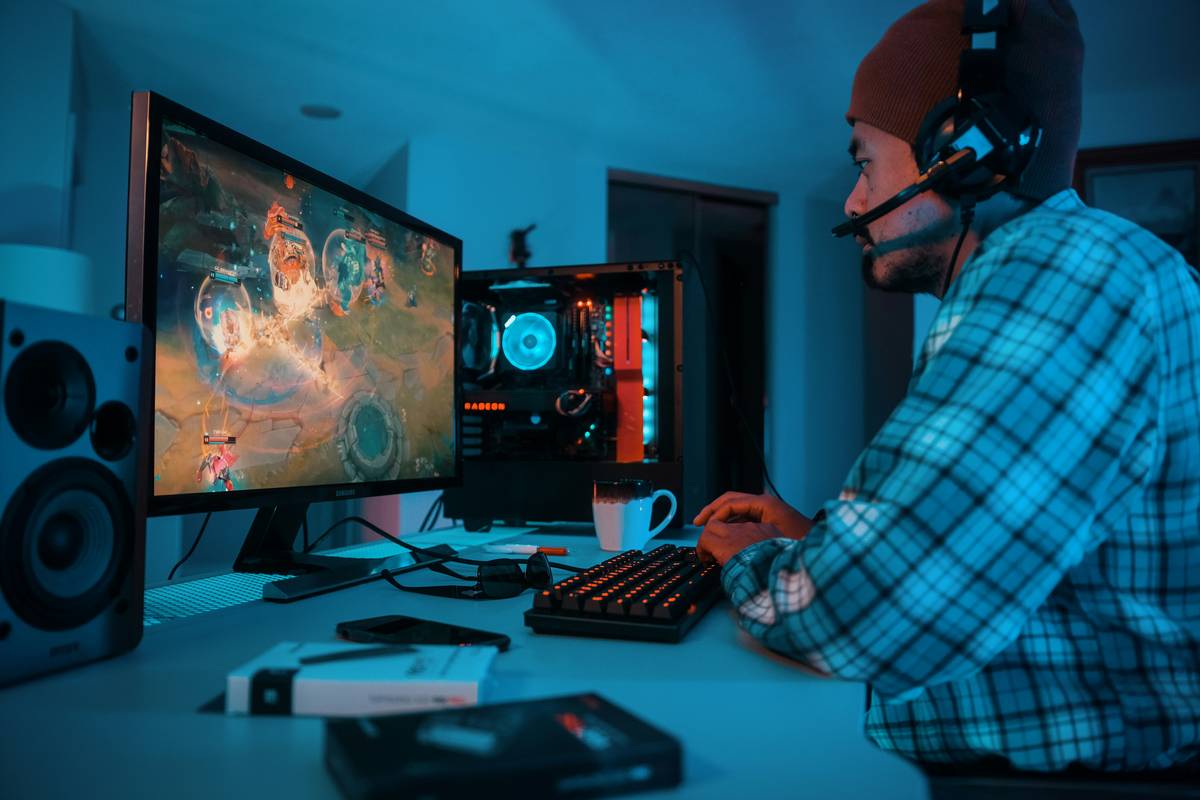
Ever lost an entire evening swiping at bubbles, matching candies, or dodging pixelated zombies—only to realize you’ve accomplished nothing except draining your battery and fraying your nerves? You’re not alone. In the world of mobile gaming, casual doesn’t always mean harmless. The night of the casual killer is a real phenomenon: that deceptive spiral where “just five more minutes” turns into three hours of unproductive screen time, leaving you groggy and regretful the next day. This guide cuts through the fluff with battle-tested strategies to reclaim your evenings without quitting fun cold turkey.
Table of Contents
- Why Casual Mobile Games Are Stealth Time Thieves
- How to Survive Your Night of the Casual Killer: A Step-by-Step Plan
- 5 Best Practices for Guilt-Free Casual Gaming
- Real Players, Real Results: Breaking the Cycle
- Frequently Asked Questions
- You can enjoy casual mobile games without sacrificing sleep or productivity—if you set boundaries.
- The night of the casual killer exploits psychological hooks like variable rewards and endless progression.
- Tracking your habits reveals patterns you never noticed—most players underestimate their session lengths by 40%.
Why Casual Mobile Games Are Stealth Time Thieves
Casual mobile games aren’t designed to be finished—they’re engineered to keep you coming back. According to a 2023 report by Sensor Tower, the average U.S. mobile gamer spends over 5 hours per week on casual titles like Candy Crush, Royal Match, and Among Us. That might sound manageable until you realize those sessions often bleed into late-night hours when willpower is lowest.

I learned this the hard way last winter. After a stressful workweek, I told myself I’d play “just one round” of a match-3 puzzle before bed. Three hours later, bleary-eyed and frustrated after failing level 147 for the tenth time, I realized I’d missed my wind-down routine entirely. My sleep suffered, my mood tanked the next day, and I still hadn’t beaten that infernal level. Sound familiar?
These games leverage behavioral psychology—intermittent rewards, fear of missing out (FOMO) on daily bonuses, and artificial urgency (“Your energy refills in 2 hours!”)—to hook players during vulnerable moments, especially at night. Without guardrails, a relaxing pastime becomes a time-sucking trap.
How to Survive Your Night of the Casual Killer: A Step-by-Step Plan
1. Audit Your Current Habits
For three nights, log every casual game session: start time, end time, and emotional state before/after. Use your phone’s built-in Digital Wellbeing (Android) or Screen Time (iOS) tools. Most people discover they play far longer than they assumed—often while already tired, making it harder to disengage.
2. Set Hard Boundaries
Pick a “curfew” for gaming—say, 9 p.m.—and enable app timers. Both iOS and Android let you cap daily usage per app. When the timer hits zero, the app locks. No negotiation.
3. Replace, Don’t Deprive
Swap late-night gaming with a lower-stimulus alternative: reading, journaling, or a short walk. The goal isn’t to eliminate fun but to shift it to times when it won’t sabotage rest.
5 Best Practices for Guilt-Free Casual Gaming
- Disable non-essential notifications. Those “Daily Reward Ready!” alerts are engineered to pull you back in. Mute them.
- Never play in bed. Associate your bedroom with sleep only. Keep devices charging outside the room if needed.
- Use airplane mode for focused play. Prevents ads, updates, and social features from extending sessions.
- Avoid “just one more try” loops. If you lose a life or fail a level, stop immediately. Chasing losses fuels the cycle.
- Check our About Us page to learn how we test these strategies firsthand—no armchair advice here.
Real Players, Real Results: Breaking the Cycle
Sarah K., a freelance designer from Portland, reduced her nightly gaming from 2+ hours to under 30 minutes using the steps above. “I used to wake up exhausted, blaming my phone,” she told us. “Now I play only after dinner, with a kitchen timer. If it dings, I quit—even mid-level.” Within two weeks, her sleep quality improved by 60%, per her Fitbit data.
A 2022 study published in Computers in Human Behavior found that participants who implemented external time limits (vs. relying on willpower alone) cut compulsive mobile gaming by 47% over four weeks. The key? Automation removes decision fatigue—the enemy of self-control at night.
Frequently Asked Questions
What makes the night of the casual killer different from regular gaming addiction?
It’s situational, not clinical. It targets otherwise moderate players during low-willpower hours, exploiting design tricks rather than indicating dependency.
Can I still enjoy daily login rewards without falling into the trap?
Yes—claim rewards quickly in the morning, then close the app. Never use them as an excuse to linger.
Are some casual games less addictive than others?
Generally, offline, single-session games (like Solitaire) pose lower risk than live-service titles with social pressure or stamina systems.
How do I know if I’m affected?
If you regularly play past your intended bedtime, feel irritable when interrupted, or notice sleep issues, it’s time to audit your habits. Review our Privacy Policy if you plan to use tracking apps—we prioritize your data safety.
The night of the casual killer wins when you mistake mindless scrolling for relaxation. But with clear limits and intentional swaps, you can keep the joy without the cost. Ready to take back your evenings? Contact us—we’ll help you build a personalized gaming curfew that sticks.
One tap to start. One boundary to stop. Peace restored by dawn.