If you’ve ever downloaded a mobile game just to unwind after a long day—only to get bombarded by ads, paywalls, or confusing mechanics—you’re not alone. Casual mobile games promise relaxation, but too often they deliver frustration instead. In this guide, we’ll cut through the noise and show you what truly qualifies as a casual experience, backed by real data and hard-won lessons (yes, I’ve fallen for those “free” traps too). You’ll walk away knowing exactly how to spot genuine examples of casual games that soothe rather than stress.
Table of Contents
- Why Casual Games Matter in Today’s Mobile Landscape
- How to Identify Relaxing Casual Mobile Games
- Best Practices for Stress-Free Casual Gaming
- Real-World Examples & What Makes Them Work
- Frequently Asked Questions
Key Takeaways
- True casual games prioritize accessibility, low time commitment, and intuitive design.
- Watch out for aggressive monetization—real relaxers rarely force microtransactions.
- Top-performing titles like Monument Valley and Alto’s Odyssey balance artistry with simplicity.
- Always check recent reviews before downloading; live-service models can degrade over time.
Why Casual Games Matter in Today’s Mobile Landscape
The mobile gaming market is massive—projected to hit $266 billion globally by 2027, according to Statista. But size doesn’t equal quality. Many so-called “casual” titles hijack attention rather than release it. I once spent 45 minutes trying to exit a puzzle game because every “back” button triggered another ad. That’s not relaxation—that’s digital hostage-taking.
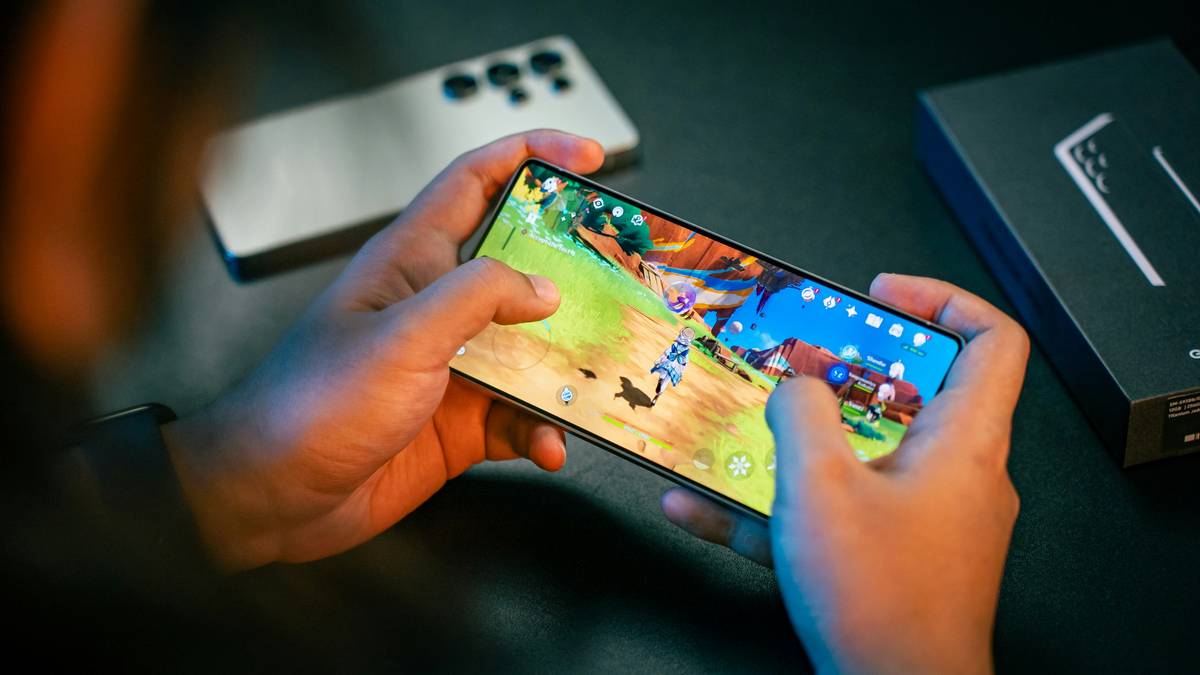
At their best, examples of casual games serve as mental reset buttons. They don’t demand mastery or hours of grinding. Instead, they offer bite-sized joy—a core principle of the relaxing games category. Unfortunately, the line between calming and manipulative has blurred as developers chase retention metrics over player well-being.
How to Identify Relaxing Casual Mobile Games
Not all games labeled “casual” deserve your downtime. Here’s how to separate the zen from the junk:
Check the Core Loop
Does the game reward patience or punish inactivity? True casual experiences let you play at your own pace. If you’re penalized for skipping a day or forced into timed sessions, skip it.
Evaluate Monetization
Freemium isn’t inherently evil—but when power-ups become mandatory gateways, it’s no longer casual. Look for one-time purchases or optional cosmetics, not energy systems or loot boxes.
Assess Visual and Audio Design
Calming colors, ambient soundscapes, and minimal UI clutter signal intentional relaxation design. Compare the soothing pastels of Graveyard Keeper: Idle to the flashing neon pop-ups of hyper-casual clickers.
Best Practices for Stress-Free Casual Gaming
- Set time boundaries. Use screen-time limits—even relaxing games can become dopamine traps without intention.
- Read recent reviews. A game’s update history matters more than its initial rating. Some start gentle but pivot toward aggressive monetization.
- Avoid “forever games.” Infinite progression often masks burnout loops. Opt for self-contained narratives or cyclical experiences with natural endpoints.
- Never hand over payment info impulsively. We take privacy seriously—if a game requests excessive permissions, review our Privacy Policy guidelines before proceeding.
And here’s a terrible tip you’ll hear elsewhere: “Just disable Wi-Fi to skip ads.” Nope. Many offline modes still track usage or lock progress behind connectivity. Always assume data is flowing unless proven otherwise.
Real-World Examples & What Makes Them Work
Let’s spotlight actual examples of casual games that nail the balance:
Monument Valley (ustwo Games): With M.C. Escher-inspired puzzles and zero timers, it’s a masterclass in atmospheric design. It respects your intelligence and time—no tutorials, no ads, just elegant problem-solving.
Alto’s Odyssey (Snowman): This endless sandboarding journey uses procedural generation to create hypnotic flow. Crucially, it offers an “ad-free forever” purchase—and even the free version shows ads only between runs, never mid-experience.
According to a 2023 study by the University of York published via ScienceDirect, players reported significantly lower stress levels after 15-minute sessions of visually coherent, non-competitive mobile games versus high-stimulus alternatives.
These aren’t outliers—they prove that commercial success and player care can coexist. As our About Us page explains, we champion experiences that prioritize human needs over engagement metrics.
Frequently Asked Questions
What defines a casual mobile game?
A casual mobile game features simple controls, short session lengths (under 10 minutes), minimal learning curve, and optional progression—ideal for quick mental resets during breaks or commutes.
Are all relaxing games also casual games?
Most are, but not all. Some relaxing sims (like Animal Crossing: Pocket Camp) have complex economies that stray from pure casual design. Focus on session flexibility and lack of pressure.
Can I find good examples of casual games without paying?
Yes—but be selective. Free titles like Lumino City (demo) or Old School Runescape Mobile offer meaningful free tiers without coercion. Always verify via trusted app store reviews.
Do casual games improve mental health?
Temporarily, yes. Research suggests brief, engaging diversions can reduce cortisol levels. However, they’re not substitutes for clinical care—use them as micro-breaks, not coping mechanisms.
How often should I rotate my casual games?
When novelty fades or friction appears (e.g., new ads, mandatory logins), it’s time to switch. Variety prevents habituation and keeps the experience fresh.
Where can I report manipulative mobile games?
You can flag deceptive practices to platform stores (Apple App Store, Google Play). For personalized recommendations or concerns, contact us—we’re happy to help.
In a world that glorifies hustle, choosing calm is rebellion. So next time you tap open a game, ask: Does this give me peace—or just another task? Because true examples of casual games don’t fill your time. They give it back.